A Leaking Window Is Almost Never the Glass
The glass is rarely the problem. The opening around it usually is.
September 15, 2026 · 3 min read
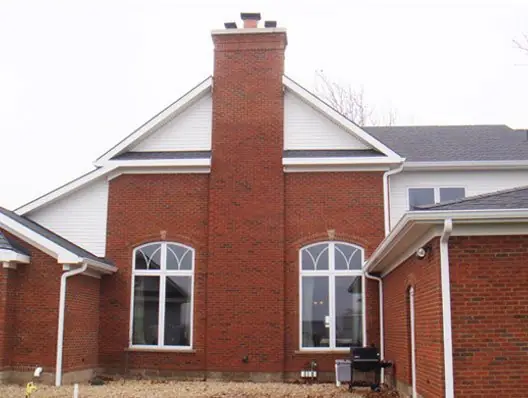
Where the Water Actually Gets In
If you've got a stain on the drywall below a window, the instinct is to blame the glass or the weatherstripping around the sash. Almost every time, the real entry point is above the window, not at it. Water runs down the face of the wall, hits the top of the window opening, and if the flashing there doesn't lap correctly over the housewrap, that water gets behind the wall assembly instead of running down the outside of it. By the time it shows up as a stain, it's already traveled a long way.
The other common failure is the sill pan, or the lack of one. A window opening should shed any water that gets past the sash the same way a shower pan sheds water: out and away from the framing, not down into it. An opening framed without a proper sill pan, or with one that was cut short at the corners, traps water right where the wood framing is most vulnerable. We see this most in older homes where the window was replaced once already by someone in a hurry, and the new window went into an opening that was never actually made watertight.
A rough opening that was never squared causes a slower version of the same problem. If the opening is out of square, the window gets shimmed and caulked to make up the difference, and caulk is not a permanent answer to a framing problem. It fails eventually, usually a few years down the road, right when everyone's forgotten the shortcut that got the window in.
There's also a difference worth knowing between an actual leak and simple condensation, because homeowners often call about one thinking it's the other. Beads of water on the inside of the glass on a cold morning are usually just moisture in the house meeting a cold surface, the same thing that fogs up a cold glass of tea in summer. It's a humidity issue inside the home, not a failure of the window itself. Water tracking down the wall below the window, staining the drywall or the trim, or showing up on the floor, is a real intrusion problem and worth having looked at before it does more damage to the framing underneath.
Insert or Full Frame: The Real Decision
There are two honest ways to replace a window, and the right one depends on what's actually wrong with the opening, not on which one is faster to install. An insert replacement keeps the existing frame in place and fits a new window inside it. It's less disruptive, usually less expensive, and it's the right call when the existing frame is square, dry and structurally sound. The tradeoff is a small loss of glass area, since the new frame nests inside the old one.
Full-frame replacement takes the window out down to the rough opening, studs and all if it needs it. It's the only honest answer when the existing frame is rotten, when the opening was never flashed correctly to begin with, or when we find water damage once the old window comes out. It costs more and takes longer, but it's the difference between fixing the actual problem and covering it up with a new pane of glass set in the same bad opening. We won't know which one your house needs until the old window is actually out and we can see the framing behind it, which is why we always look before we quote a firm number.
Whichever direction is right, every opening in an older home gets measured on its own. Houses settle unevenly over decades, so the window on the north side of a room is rarely the exact same size as the one on the south side, even if they look identical from across the street. A special shape, like an arched transom over a front door, gets ordered to match that specific opening. It doesn't get trimmed to fit on site, because there's no honest way to trim glass. Installation day means the old unit comes out, the opening gets checked and corrected if it needs it, and the new window goes in flashed the right way from the start. All of it, doors and windows both, is backed by a one-year labor guarantee, and every estimate to look at your windows is free.
C.B.E. Construction, Inc., (217) 762-5432
Call (217) 762-5432